It is a well-known fact that education plays a crucial role in shaping individuals and societies. Education is the key to personal and professional success, as it equips individuals with the knowledge, skills, and abilities necessary to thrive in a complex and ever-changing world. In addition to its instrumental value, education also has intrinsic value, as it fosters personal growth, critical thinking, and a sense of curiosity and wonder about the world.
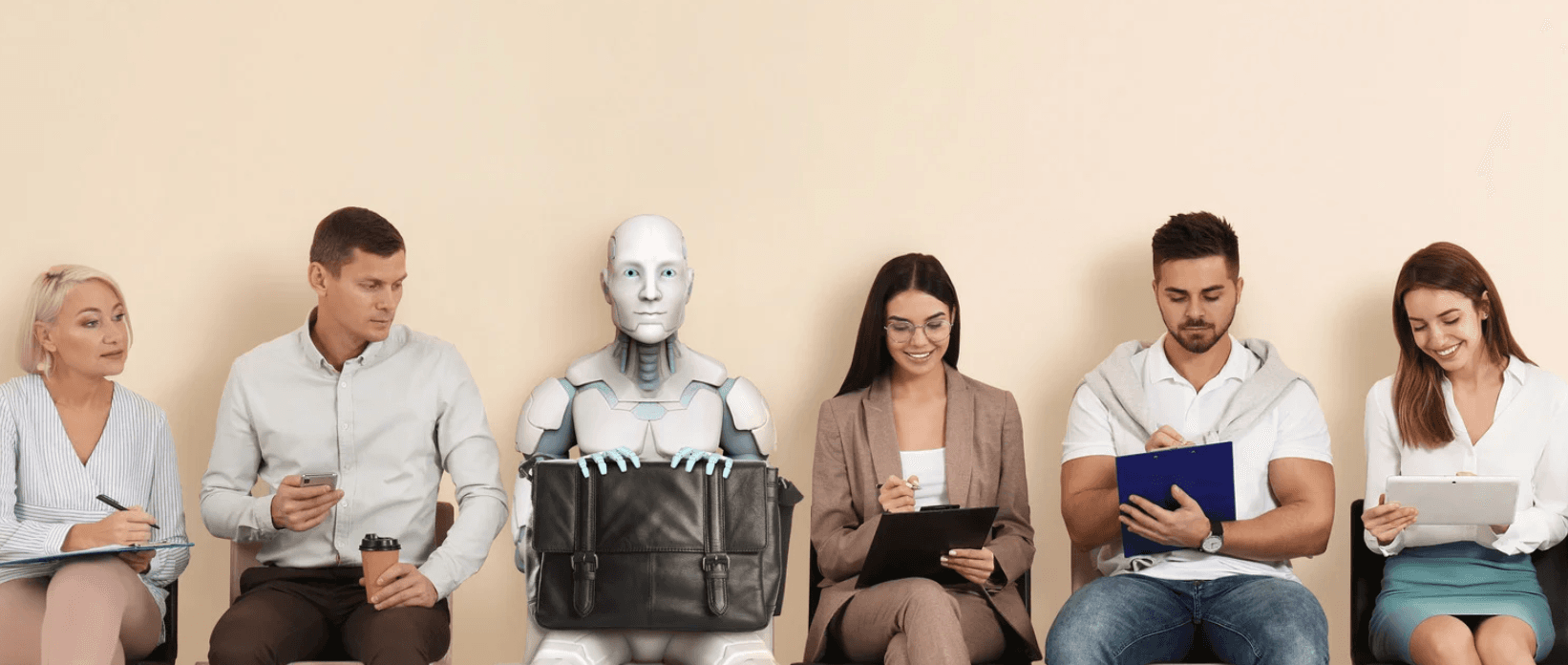
One of the primary goals of education is to prepare individuals for the workforce and to enable them to contribute meaningfully to society. In today's globalized economy, a quality education is more important than ever, as the demand for skilled workers continues to grow. Education not only provides individuals with the technical skills necessary to succeed in their chosen careers, but also helps them develop soft skills such as communication, problem-solving, and teamwork, which are essential in today's collaborative work environments.
Furthermore, education is a powerful tool for promoting social mobility and reducing inequalities. Access to quality education can help individuals from disadvantaged backgrounds break the cycle of poverty and achieve a better standard of living. Education also plays a key role in promoting social cohesion and building a more inclusive society by fostering understanding, tolerance, and respect for diversity.
Moreover, education is essential for the development of a democratic society. An educated population is better equipped to participate in the democratic process, make informed decisions, and hold their leaders accountable. Education helps individuals develop critical thinking skills and the ability to evaluate information critically, which are essential for a functioning democracy.
In addition to its economic, social, and political benefits, education also has a profound impact on individual well-being and quality of life. Education is closely linked to better health outcomes, as individuals with higher levels of education are more likely to make healthy lifestyle choices and access quality healthcare services. Education also enhances individuals' sense of self-worth, confidence, and overall life satisfaction.
Despite the many benefits of education, access to quality education remains a challenge for millions of individuals around the world. Socioeconomic factors, gender inequality, conflict, and displacement are just a few of the barriers that prevent individuals from accessing education. In many countries, children and adolescents are unable to attend school due to poverty, lack of infrastructure, or cultural norms that prioritize the education of boys over girls.
Addressing these challenges requires a concerted effort from governments, civil society organizations, and the private sector. Governments must prioritize education in their policy agendas and allocate sufficient resources to ensure that every child has access to quality education. Civil society organizations play a crucial role in advocating for the right to education and providing support to marginalized communities. The private sector can also contribute by investing in educational initiatives and partnering with governments and non-profit organizations to improve education outcomes.
kd2kub